
The informal phrase “closing the books” describes an accountant’s finalization and approval of the bookkeeping data covering a particular accounting period. When an accountant “closes the books,” they endorse the relevant financial records. These records may then be used in official financial reports such as balance sheets and income statements. Public accounting refers to accountants who provide services directly to businesses and individuals. These professionals often consult with small business owners and help them manage their taxes and finances. They prepare financial statements, audit financial statements, and advise clients on matters pertaining to finance, accounting, and taxes.
- An expenditure is a payment or the incurrence of a liability, whereas an expense represents the consumption of an asset.
- Equity capital specifies the money paid into a business by investors in exchange for stock in the company.
- For corporations, the report is called a statement of shareholders’ equity (or stockholders’ equity).
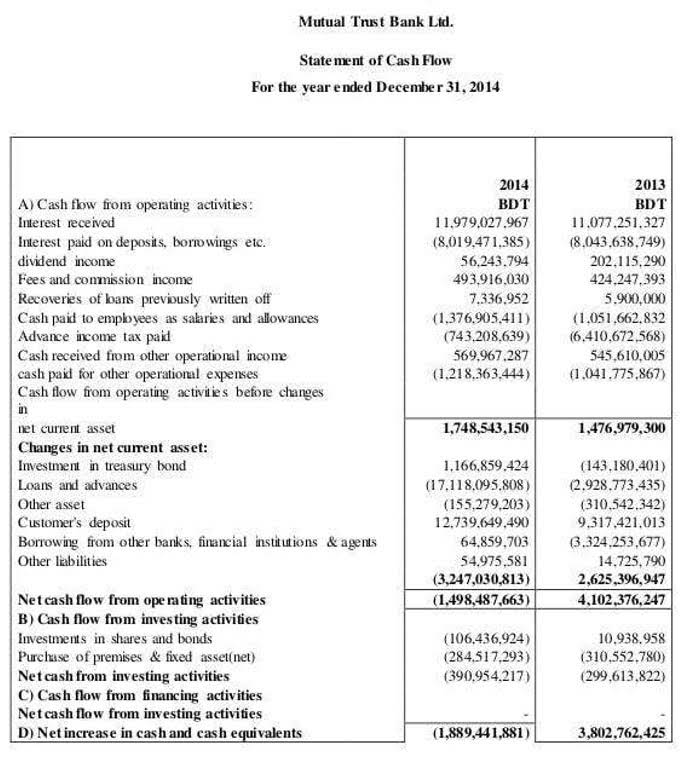
- The cash flow statement’s ending cash balance should equal the ending cash balance in the balance sheet.
- You can use accounting to track cash flow and quantify your company’s financial health.
- Let’s say a client just paid their invoice online, or money was withdrawn from your checking account to pay a utility bill.
Why Financial Accounting?
- These categories can be summarized as “Revenue” or “Expenses” and put in financial statements for a specific period of time.
- It is carried out to gauge corporate performance and profitabilityProfitabilityProfitability refers to a company’s ability to generate revenue and maximize profit above its expenditure and operational costs.
- A certified public accountant (CPA) is an accounting professional specially licensed to provide auditing, taxation, accounting, and consulting services.
- Accounting information exposes your company’s financial performance; it tells whether you’re making a profit or just running into losses at the end of the day.
- Again, the records, classifications, and summaries are made for only those transactions and events that are of a financial nature or character.
- Companies must communicate their financial position to managers through the use of accounting and financial data.
- So is operating income, which you generate from day-to-day business activities.
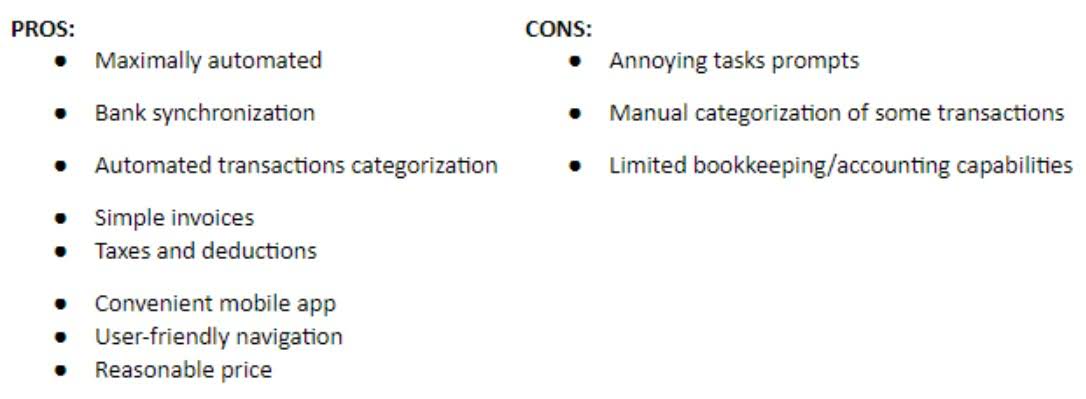
Professionals in finance focus less on reporting and more on managing an organization’s money. They research and direct an organization’s financial transactions, acting as money managers. Financial managers and financial advisors, for instance, oversee an individual’s or organization’s assets and liabilities, helping clients reach their financial goals. Accounting software allows you to do basic tasks such as tracking inventory, invoicing and payments, and generating reports on sales and expenses.
Personal judgments
It’s a testament to the power of transparency, accuracy, and accountability in the world of commerce. As we navigate the world of finance, remember that financial accounting isn’t just about numbers; it’s about people, their aspirations, and the intricate web that connects their interests. In parallel with managerial accounting, a management’s detailed view of business operations are summarized and communicated to stakeholders’ to serve their variety of needs. Financial accounting plays into building customer confidence in a company’s stability and reliability.
Income statement
After you enter a transaction and categorize it under an account, your accounting software will create a journal entry behind the scenes. Most modern accounting software uses the double-entry accounting system, which requires two book entries — one debit and one credit — for every business transaction. Revenues and expenses are closed, bank and credit card statements are reconciled, and accounts are set up for the following month. For example, corporate accounting may be divided into for-profit and nonprofit accounting.

Public companies are also required to publish their financial statements in an annual report. Double-entry systems add assets, liabilities, and equity to the organization’s financial tracking. A certified public accountant (CPA) is an accounting professional specially licensed to provide auditing, taxation, accounting, and consulting services. The terms and concepts financial accounting in this guide were curated in part for their relevance to new entrepreneurs. Examples include terms such as “accounts payable,” “accounts receivable,” “cash flow,” “revenue,” and “equity.” Since accounting principles differ around the world, investors should take caution when comparing the financial statements of companies from different countries.
Using Accounting Software
For example, corporate accountants record and file important financial records (with federal and state authorities) to record and pay taxes. They may also prepare financial statements for internal and external stakeholders like managers, shareholders, and boards of directors. These are generally accepted rules that financial accountants must consider when doing accounting transactions and preparing financial statements. These are the people or companies that see accounting transactions organized and relayed into financial statements before making educated decisions. Such decisions include whether to buy blue-chip stocks or loan money to a company.
These standards are used in more than 120 countries, including those in the European Union (EU). Many or all of the products featured here are from our partners who compensate us. This influences which products we write about and where and how the product appears on a page.
Personal Finance
Income statements show how much the company earned and how much it spent. If using the accrual basis of preparation, we will see revenue and expenses matching up to the same period (and perhaps, not involve cash at all). Follow us on a journey into the mechanics of the financial accounting process, exploring its inner workings and crucial role in presenting a company’s financial story to the world. In accounting, a conservatism principle is often applied, which suggests that companies should record lower projected values of their assets and higher estimates of their liabilities. Under this doctrine, if you don’t know the value of something precisely, you count it as zero.
Clear accounting and finance management can be useful when getting a loan from a bank or attracting potential investors. You could become a financial analyst, investment banker, financial examiner, personal financial advisor or money manager. And of course entrepreneurship is another route that’s open to finance types.